
10 Ways Membership Organizations Can Boost Member Loyalty


Here's something most membership organizations don't want to admit: your biggest loyalty problem probably isn't that members join and hate what they find.
It's that they join, get busy, quietly disengage, and then forget to renew.
Member loyalty isn't built in a renewal email. It's built through every interaction, every benefit delivered, and every time a member feels the organization genuinely cares whether they show up. Many organizations invest heavily in recruiting new members while losing ground when existing members become inactive, disengaged, or simply drift away.
This article covers 10 concrete ways to improve member loyalty, reduce membership churn, and build the kind of member relationships that make renewal feel like an obvious decision rather than an afterthought.
Key Takeaways
- Member loyalty is built through consistent value all year, not a single renewal campaign.
- Most members who lapse had already disengaged months before their renewal date.
- First-year renewal is the riskiest gap, the industry median sits 9 points below overall renewal.
- Only 18% of associations personalize onboarding, even though early engagement is the strongest predictor of first-year renewal.
- Members connected to a real peer community are far more likely to renew and stay long-term.
- Loyal members don't just renew, they refer colleagues, join committees, and advocate without being asked.
- At-risk members signal disengagement months before they lapse: no logins, skipped events, low email opens.
- Even satisfied members can lapse if renewal is confusing, slow, or inconvenient.
- Join It is rated Excellent on Trustpilot and gives membership organizations the renewal automation, communications, and member tools needed to build lasting loyalty.
Member Loyalty Strategy Summary
What Is Member Loyalty?
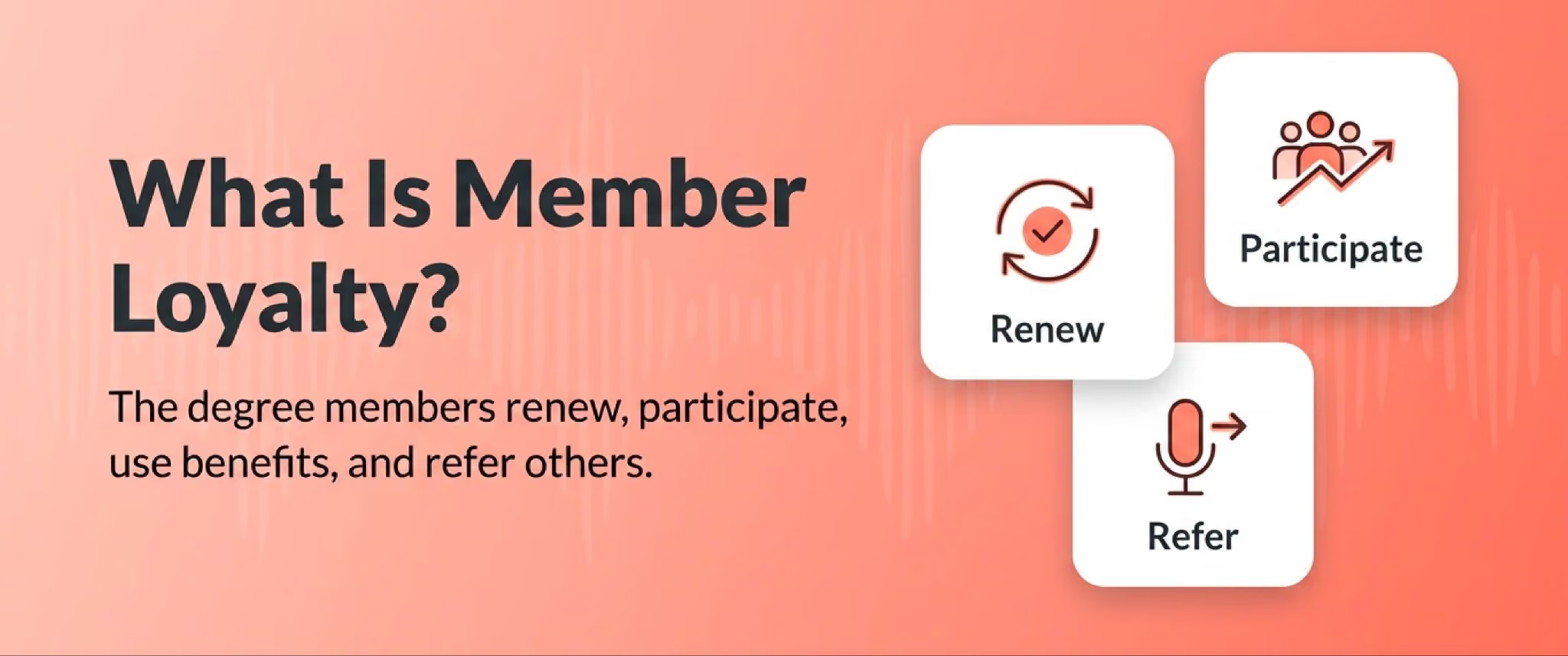
Member loyalty is the degree to which members renew, participate, use benefits, refer others, and genuinely identify with your organization over time.
This is specific to membership organizations: associations, clubs, chambers, nonprofits, and professional communities. Membership loyalty is not about retail rewards points or tiered status programs.
Member Loyalty vs. Member Retention
Member retention is the measurable outcome: did they renew? Member loyalty is the relationship strength behind that outcome: do they want to stay?
Retention answers "what happened." Loyalty answers "why."
Member Loyalty vs. Member Engagement
Engagement is activity. Loyalty is deeper commitment.
A member can attend one event and feel no real connection. Loyal members use benefits consistently, trust the organization, and feel part of a community worth staying in year after year.
What Makes a Member Loyal?
Loyal members share a few common traits:
- They clearly understand and regularly use their membership benefits
- They feel genuinely connected to peers and the organization
- They trust that the organization delivers on its promises
- They renew without needing heavy persuasion
- They refer colleagues and recommend the organization publicly
Why Member Loyalty Matters for Membership Organizations
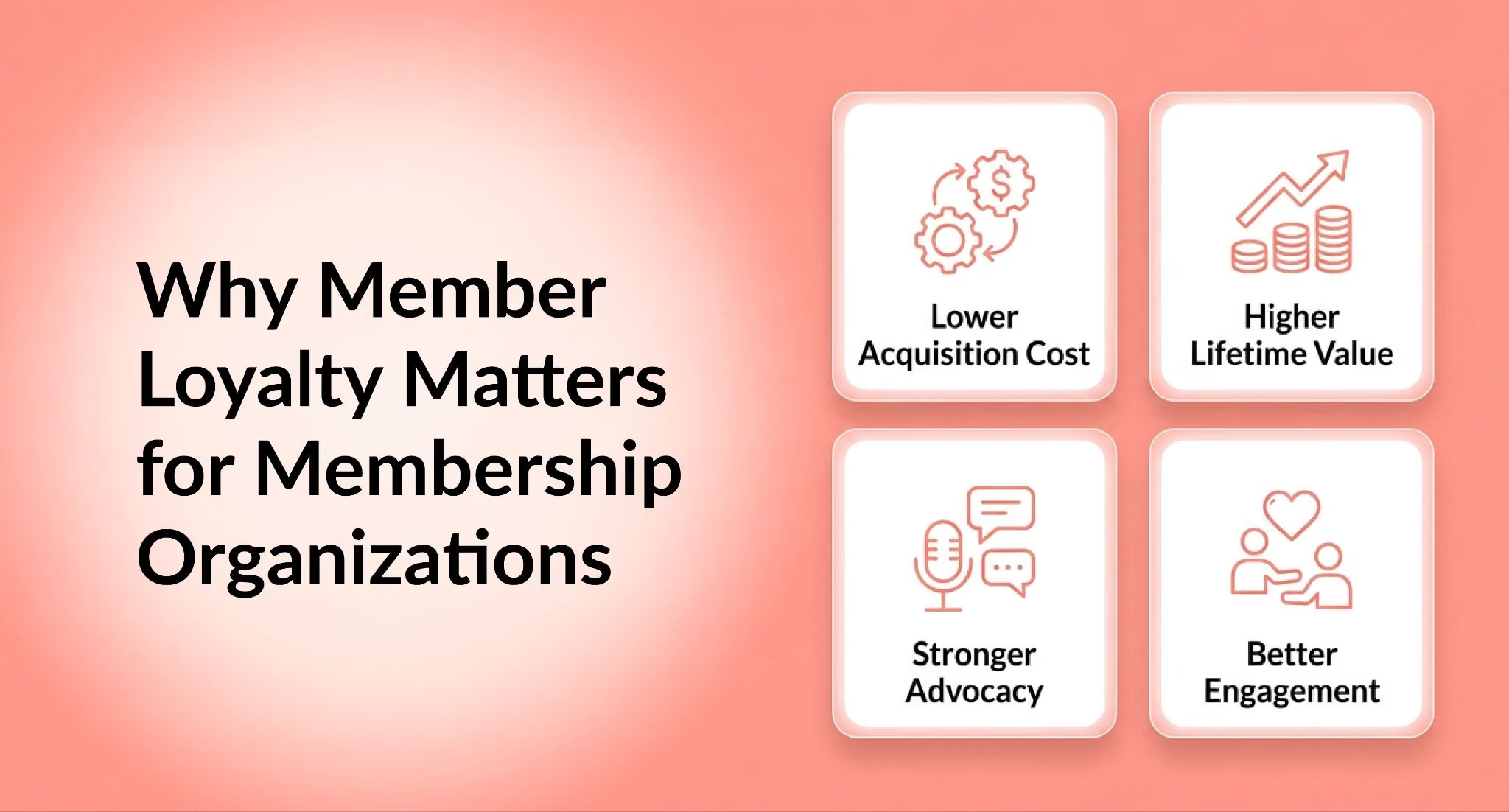
Member loyalty is not a soft metric. Membership engagement, renewal rates, and long-term community health all flow from how loyal members feel.
Member Loyalty Improves Renewal Rates
According to the Membership Marketing Benchmarking Report, the median overall renewal rate across associations sits at around 84%, but first-year renewal rates drop to approximately 75%. That 9-point gap is where loyalty work matters most.
Loyal members renew because they have already experienced real value throughout the year, not because a well-timed email landed in their inbox.
Member Loyalty Reduces Membership Churn
Membership churn almost always begins long before the renewal date. Members disengage first, then ignore communications, then lapse quietly.
Association executives consistently identify lack of engagement as the top reason members don't renew, with 52% citing it as the primary cause. That is not a renewal problem. It is a loyalty problem.
Member Loyalty Creates More Predictable Revenue
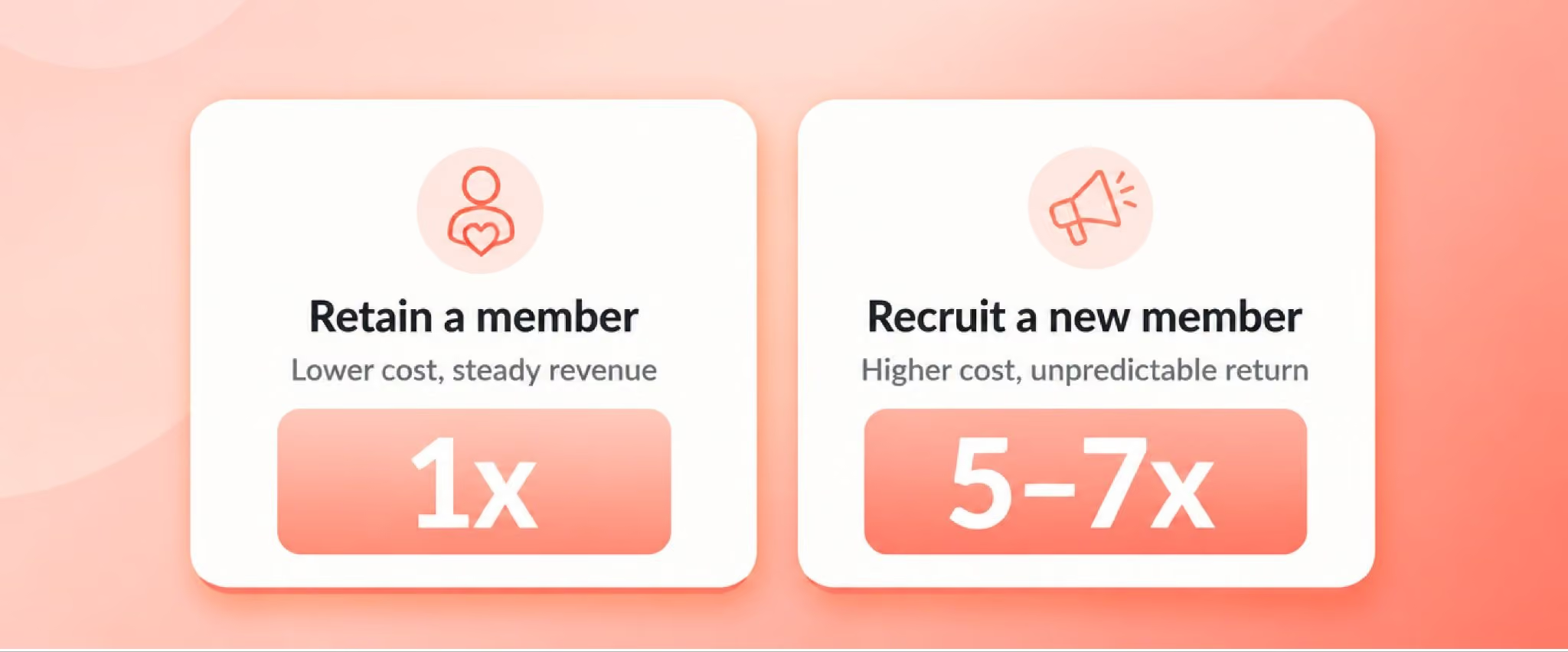
Stable membership retention gives organizations the confidence to plan events, programs, and community investments without guessing. Improving retention from 80% to 85% in a 1,000-member group retains 50 additional members per year, the equivalent of a major recruitment campaign at zero acquisition cost. Retaining a member is also estimated to cost 5 to 7 times less than recruiting a new one.
Member Loyalty Turns Members Into Advocates
Loyal members bring colleagues, join committees, leave positive reviews, and promote the organization in ways no paid campaign can replicate. That advocacy doesn't happen because someone received a thank-you email. It happens because they genuinely believe in what the organization offers.
What Causes Low Member Loyalty?
Understanding the root causes is half the battle. The most common culprits are:
- Members don't see enough value. When perceived member value drops below the cost of dues, disengagement follows quickly.
- New members aren't activated early. The first 90 days of the member journey pass without a clear reason to engage or connect.
- Communication feels generic. Every member receives the same message regardless of who they are.
- Members feel disconnected. No real relationships form with peers or staff.
- Renewal involves too much friction. Even satisfied members lapse when the process is confusing or inconvenient.
Sound familiar? Good. Now let's fix it.
1. Clarify Your Member Value Proposition
Loyalty starts when members can quickly answer: "What do I actually get from this?"
Your member value proposition should appear everywhere, not just on the join page. It belongs in onboarding emails, event invitations, renewal reminders, and your member portal. Strong membership value typically includes professional development, networking, advocacy, exclusive resources, events, and member-only access.
The key shift: Instead of saying "access to resources," say "workshops, templates, and expert guides that help you grow your organization this year." Specificity builds loyalty. Vagueness erodes it.
When organizations consistently demonstrate membership value at every touchpoint, members can clearly articulate what they gained, and renewal becomes an obvious yes.
2. Create a Strong New Member Onboarding Experience
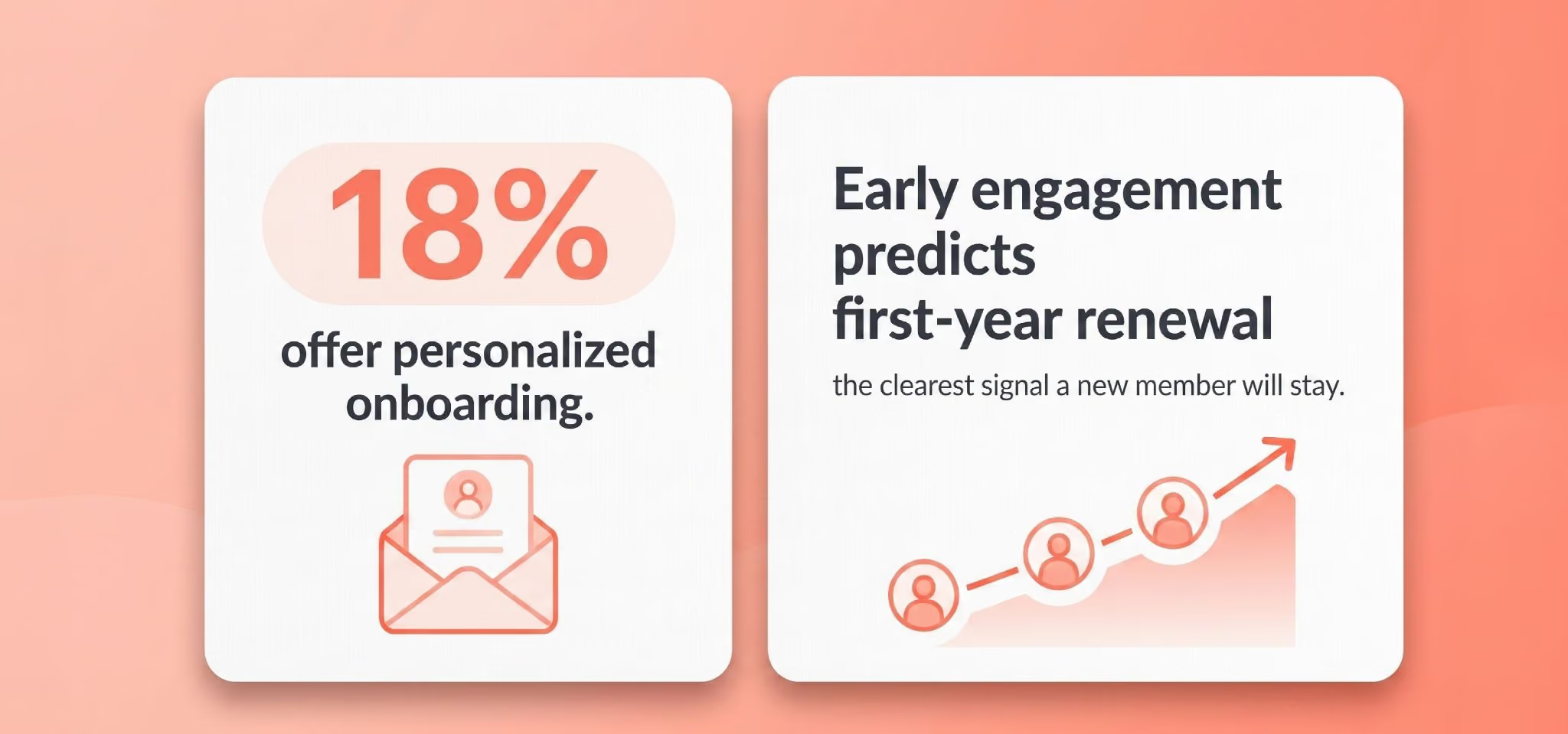
Only 18% of associations currently provide personalized onboarding, even though early engagement is the single strongest predictor of first-year renewal.
Onboarding is not one welcome email. It is a structured 30-60-90 day experience:
- Day 1: Welcome message and login access
- Week 1: Benefits overview and member portal walkthrough
- Week 2: Invitation to a first event or community space
- Day 30: Ask what they need help with
- Day 60: Benefit recommendations based on their interests
- Day 90: Check satisfaction and engagement levels
A positive member experience in the first 90 days builds habits that carry members through renewal and beyond. This is exactly where membership retention strategies start paying off.
3. Communicate Member Value Throughout the Year
If your organization goes quiet after January and suddenly loud again in October, members will notice.
Membership loyalty weakens when communication only spikes at renewal season. What builds loyalty is year-round, relevant communication that reminds members of their membership benefits and proves ongoing value.
What to communicate consistently:
- New resources, tools, and upcoming events
- Member success stories and community highlights
- Advocacy wins and organization updates
- Renewal reminders that include a genuine value recap
Use email marketing for membership programs to keep outreach consistent without overwhelming your team, and take advantage of simple member communications tools to keep messages targeted and timely.
More messages is not the goal. More relevant messages is.
4. Segment Members Based on Needs, Interests, and Behavior
A first-year student member and a 15-year board veteran should not be getting the same email.
Member segmentation means grouping members by shared characteristics so your communication becomes more relevant and your benefits feel more personal. Useful segments include:
- New vs. long-term members
- At-risk members (disengaged, no recent logins, low email engagement)
- Highly engaged members
- Members by profession, location, or interest area
- Lapsed members targeted for reactivation
Personalized member communications that reflect each person's actual situation and goals make members feel valued. And members who feel valued renew.
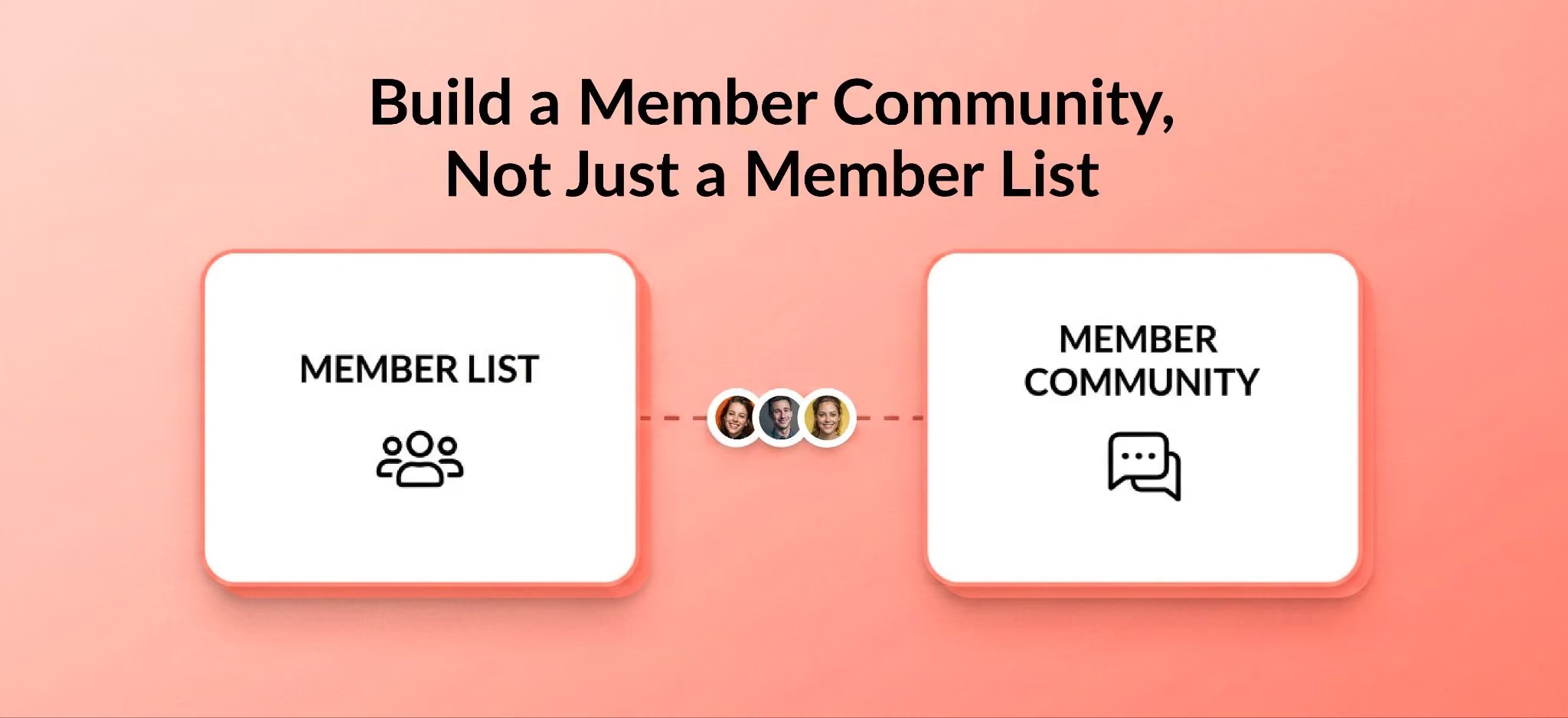
5. Build a Member Community, Not Just a Member List 🤝
Members don't stay for a subscription. They stay for people.
When members build real relationships inside your organization, leaving means losing more than a benefit package. It means losing access to a professional community they have invested in.
Online community ideas: Member forums, discussion boards, interest-based groups, peer introductions, and a searchable member directory that makes connecting easy.
Offline community ideas: Local meetups, roundtables, volunteer days, committee participation, and networking events.
Members who actively participate in online communities report a sense of belonging more than twice as strong as those who do not. Member-to-member connections like these are what make membership loyalty durable over time.
Need ideas to build those connections? Explore these member engagement ideas to find approaches that fit your organization.
6. Offer Events and Programs That Keep Members Engaged
Events build habits. Habits build loyalty.
Consistent member participation in events builds habits that deepen connection to the organization and drive renewal. The key is making events solve real member needs, not just fill a program calendar.
High-loyalty event formats include:
- Educational workshops and member-only webinars
- Networking events and leadership sessions
- New member orientations
- Volunteer days and community meetups
- Annual conferences
Ask members what topics they want covered. Follow up after events with recordings and resources. Track attendance as a loyalty signal. For more formats that drive genuine engagement, explore these event ideas to engage members across different organization types.
7. Ask for Member Feedback and Close the Loop
Surveys don't build loyalty. Acting on surveys does.
The full member feedback loop starts with a regular member satisfaction survey: collect responses, analyze them, act on them, and then tell members what changed. That last step is exactly where most organizations drop the ball.
Useful feedback questions to ask:
- "What value do you get most from your membership?"
- "What almost stopped you from renewing?"
- "What would make this more useful for you this year?"
Lapsed member surveys are especially powerful. They reveal, in plain language, exactly where member loyalty broke down. Ignore them and you'll keep making the same mistakes.
8. Recognize Loyal and Engaged Members ⭐
People stay where they feel seen.
Recognition does not need to be expensive. It needs to be specific and genuine. "Thanks for leading three workshops this year" lands very differently than "Thanks for being a member."
Recognition ideas that work:
- Member spotlights in newsletters and on social media
- Membership anniversary shoutouts at key milestones
- Ambassador roles and leadership opportunities for long-term members
- Volunteer appreciation and thank-you notes from leadership
- Speaker and panel opportunities at events
Specific recognition builds emotional connection. Emotional connection builds membership loyalty that holds through renewal season and beyond.
9. Identify At-Risk Members Before Renewal Season
The biggest membership retention mistake is waiting until renewal season to notice a member has gone quiet.
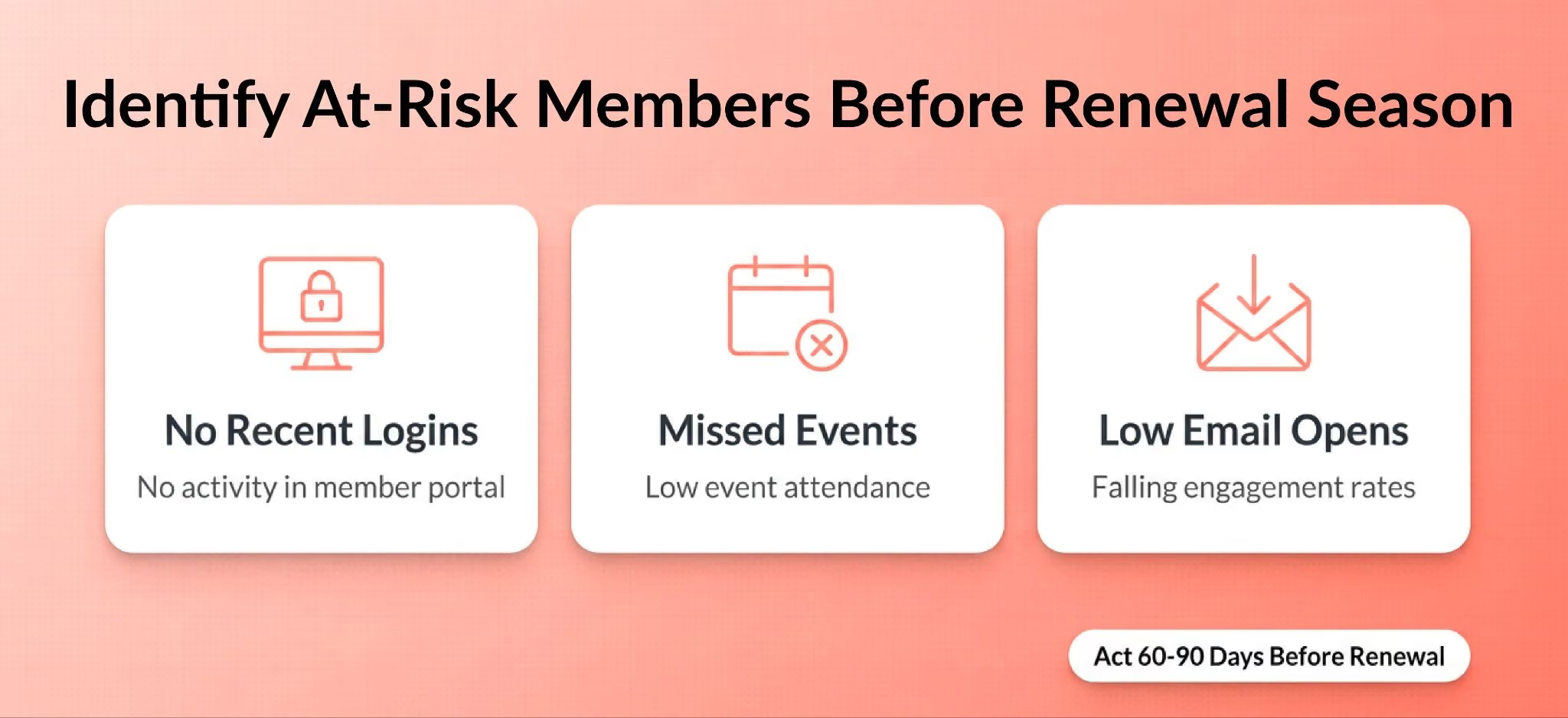
At-risk members signal their disengagement long before they lapse. Key warning signs include:
- No recent event attendance
- No portal login activity
- Low email open rates
- No benefit usage or community participation
- Missed payments or expired profile
Catching these signals 60 to 90 days before renewal gives your team time to act. A personal check-in email, a targeted benefit recommendation, or a direct staff outreach call can re-engage a wavering member before they quietly decide not to renew.
Proactive loyalty management and targeted lapsed member reactivation campaigns beat reactive retention every time. Membership automation makes this kind of early identification scalable without adding work to your team.
10. Simplify Membership Renewals and Reduce Friction
A member can genuinely love what you do and still lapse because renewal felt like too much work.
Common renewal friction points include manual forms, unclear deadlines, no saved payment method, confusing steps, and renewal notices that lack any value context.
The fix is straightforward. Renewal automation handles most of the heavy lifting:
- Set up automatic membership renewal reminders at 60, 30, and 7 days before expiration
- Offer online payment and auto-renewal options
- Include a clear value recap with every renewal communication
- Send confirmation emails and membership status updates
- Consider grace periods so honest oversights don't trigger permanent lapses
A smooth renewal process protects the loyalty you have already earned throughout the year. To fully improve the membership experience end to end, renewal ease is non-negotiable.
How to Measure Member Loyalty
You cannot improve what you do not track. Key member loyalty metrics to review monthly or quarterly:
- Overall renewal rate and first-year renewal rate (the riskiest renewal)
- Member satisfaction score and Net Promoter Score
- Event attendance trends and benefit usage rates
- Email engagement rates (opens, clicks, responses)
- Referral rate and new member source data
- Lapsed member reactivation rate
Tracking member retention metrics alongside loyalty scores gives you early signals to act before members are already out the door. Reviewing these only at year-end is too late to change the outcome.
Common Member Loyalty Mistakes to Avoid
Even well-run organizations make these. Avoid them and you will already be ahead of most:
- Focusing only on new member acquisition while existing members quietly disengage in the background
- Waiting until renewal season to prove value instead of communicating it all year
- Sending the same message to every member regardless of their career stage, interests, or engagement level
- Treating events as one-time activities instead of relationship-building touchpoints across the full membership lifecycle
- Ignoring lapsed member feedback, which is the clearest data you will ever get on why membership loyalty failed
How Membership Management Software Can Support Member Loyalty
Software doesn't create loyalty. But it makes delivering loyalty-building experiences consistently far more achievable for teams of any size.
The right membership management software helps organizations automate renewal reminders, keep your member database organized for smarter outreach, send segmented communications, and reduce friction through digital membership cards, online payment options, and member self-service portals.
Tools like Join It bring renewals, member records, communications, and community features into one place, so your team spends less time on admin and more time building the kind of relationships that drive real, lasting loyalty.
Want to see how it works? Book a call with Join It or start a free trial today.
Final Thoughts on Building Member Loyalty
Creating member loyalty is not the result of one great renewal campaign. It is built through consistent value, genuine community, and an experience that makes members feel genuinely glad they joined.
Start with a stronger onboarding experience. Communicate value all year. Build real connections between members. Listen, act on what you hear, and make renewal as frictionless as possible. Track the signals before members are already gone.
The organizations that consistently build member loyalty don't just reduce churn. They create communities where membership feels worth keeping, year after year.
FAQs About Member Loyalty
What is member loyalty?
Member loyalty is a member's ongoing willingness to renew, participate, use benefits, and stay connected to the organization. It reflects how deeply a member values their membership, not just whether they have paid their dues for another year.
Why is member loyalty important?
Member loyalty improves renewal rates, reduces membership churn, creates more predictable dues-based revenue, and turns members into advocates who refer colleagues and support the organization publicly without being asked.
How do you improve member loyalty?
Focus on stronger onboarding, year-round value communication, member segmentation, community-building, recognition, feedback loops, and simplified renewals. To go deeper, explore strategies to retain members and reduce churn across different organization types.
What is the difference between member loyalty and member retention?
Retention is the measurable result: did the member renew? Loyalty is the relationship and perceived value behind that result. You can have short-term retention without loyalty, but it is fragile and will not hold when members have options.
How can membership organizations reduce member churn?
For association member retention or nonprofit membership retention, the approach is the same: identify at-risk members early through engagement signals like login activity, event attendance, and email open rates. Strengthen the first-year experience, communicate value throughout the year, and remove as much friction as possible from the renewal process.
How do you measure member loyalty?
Track overall renewal rate, first-year renewal rate, Net Promoter Score, benefit usage, event attendance, email engagement rates, and lapsed member feedback. Review these consistently rather than only at year-end when it may be too late to act.
Sources
- Marketing General. Membership Marketing Benchmarking Report
- ASAE Center. Start Strong: Five Onboarding Strategies for New Members

Guides from the Experts
Through our work with 4,000+ organizations - we’ve put together helpful guides to assist; regardless of where you are on your journey.
.webp)

A Complete Guide to Membership Organizations
Everything you need to know to manage and grow your membership business
.webp)
Maximize Membership Retention: 10 Proven Strategies
Tried and true strategies that not only win membership, but keep them

Build a Membership Website: A Step-by-Step Guide
Your one-stop resource for knowing all the features your modern membership website needs
Ready to start your free trial?
Our membership software is intuitive to use and even easier to test for yourself.