
200 Catchy Membership Level Names for Tiers and Donations
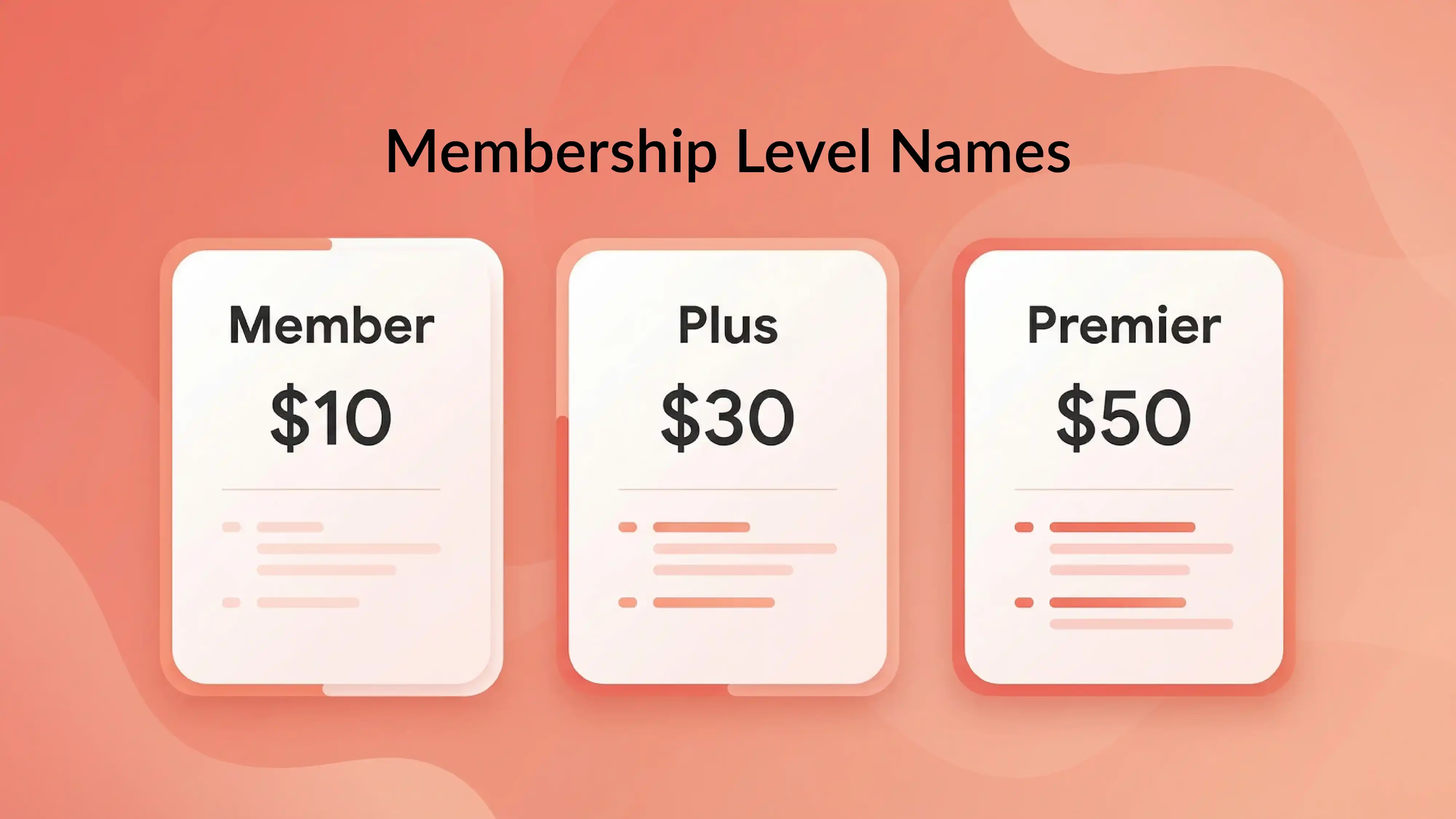


Why It’s Important to Name Your Membership Levels Creatively?
A creative name can make all the difference when it comes to tier names.
Why?
Because a well-chosen name gives members an instant sense of value and belonging. Instead of "Tier 1" or "Basic," a name like Explorer or Insider adds personality and excitement. That “I belong here” feeling is a huge part of the overall membership experience, even before someone uses a single perk.
It helps people feel like they’re part of something unique, not just paying for a service.
Plus, memorable names make your tiered package names stand out. Once those tiers come with different perks and renewal prices, solid membership management keeps everything consistent behind the scenes.
So, next time you’re brainstorming names for tiers of membership, think beyond the basics. Creative membership-level name ideas could be the little boost that makes all the difference!
How to Name Pricing Tiers
Naming pricing tiers can feel a bit like trying to title a superhero movie—what will grab attention, explain value, and keep people interested?
But here’s the thing: choosing the right names of tiers can actually make all the difference between a customer’s “maybe” and a confident “I’m in!” Let’s break down some strategies to help you find that perfect naming sweet spot for your subscription names.

Motivational and Value-Driven Pricing Names
When it comes to naming, think of motivation. Imagine this: you’re choosing between “Basic” and “Achiever.” Which one feels more like a reward?
By naming your tiers with a little inspiration, you’re giving customers that “feel-good” nudge to move forward. Words like Achiever, Pro, Visionary, or even Pathfinder suggest that they’re on a journey—your product is helping them get somewhere meaningful.
So, next time you’re brainstorming, ask yourself: Will this name make customers feel like they’re getting more than just a product?
Clarity vs. Creativity: Finding the Right Balance
Here’s a classic dilemma: you want to be unique, but you also want people to get it right away. A little creativity is great, but if someone has to scratch their head trying to figure out what “Zenith” or “Nucleus” means, it might not be the best fit.
Stick to names that are easy to understand—no dictionaries required! That kind of clarity quietly supports membership retention, because people are more likely to renew when they instantly understand what their level includes.
Think about it like this: What would you call the tiers if you were explaining them to a friend?
Sometimes a straightforward name, like Essentials or Pro, with a twist (Essentials+, anyone?) can work wonders.
Industry Influences Tier Naming
Now, here’s where things get interesting. Your industry can actually inspire your tier names.
For example, a fitness app might go for names like Starter, Strong, Champion, while a creative platform might use Maker, Creator, Innovator.
Naming your tiers based on your niche helps customers connect the dots and see where they fit in.
Catchy Membership level names
Steps to Follow =>
1) Find your industry and niche from the list below. (You can easily find it in the table of contents on the left side if you are using a desktop, or at the top of the article if you are on a mobile device.)
2) Review other similar sections for a better understanding.
1. Social & Community Impact

Community & Nonprofit Organizations
- Supporter or Believer – entry-level, showing basic support for the cause
- Advocate or Ally – active supporters who spread the message
- Champion or Trailblazer – dedicated members who lead and inspire
- Visionary or Catalyst – high-tier members creating significant change
- Legacy Partner or Guardian – exclusive, long-term supporters making a lasting impact
Environmental & Conservation Organizations
- Eco Ally, Green Friend, or Nature Supporter – entry-level supporters who advocate for the cause
- Green Guardian or Sustainability Advocate – mid-tier with opportunities to participate in special initiatives
- Nature Nurturer or Conservation Advocate – premium level for active contributors and project participants
- Earth Champion or Environmental Leader – VIP status for those directly involved in significant conservation efforts
- Planet Protector or Guardian of the Earth – elite tier for top supporters, donors, and key influencers in the organization
Entrepreneur & Startup Communities
- Groundbreaker or Aspiring Founder – entry-level, just beginning the entrepreneurial journey
- Builder or Catalyst – mid-tier, starting to make meaningful progress and influence
- Visionary, Game Changer, or Strategist – premium, for those with bold, forward-thinking ideas
- Innovator or Industry Shaper – advanced level, actively transforming industries
- Legacy Builder or Pioneer – top tier, for members creating impactful and lasting legacies
Give your members more than just a sign-up—give them an experience. With custom tiers, exclusive perks, and flexible access, Join It helps you craft memberships that truly fit your community.
See what’s possible with Join It!
2. Business & Professional Networking
Business or Professional Groups
- Insider, Novice, or Connector – base-level access to perks and information
- Pro, Achiever, or Expert – mid-level with additional resources and benefits
- Elite, Strategist, Visionary – high-level access with premium resources and connections
- Maverick or Innovator – top-tier members known for their originality and forward-thinking
- Pioneer or Leader – exclusive membership for those leading change and breaking new ground
Real Estate Memberships
- Insider, Novice, or Beginner – entry-level access to basic listings and resources
- Property Pro, Market Specialist, or Realtor Associate – access to more exclusive listings and advanced tools
- Investor, Wealth Builder, or Market Strategist – premium membership with insights and early access to valuable properties
- VIP Buyer, Exclusive Buyer, or Premium Purchaser – access to exclusive off-market deals and special listings
- Legacy Investor, Elite Investor, or Visionary Investor – top tier for high-value investors, providing personalized support and strategies
3. Technology & Digital Platforms
Tech or SaaS Platforms
- Starter or Initiate – basic access to the platform for newcomers
- Explorer or Navigator – access to essential features for users ready to dive deeper
- Power User, Super User, or Growth – premium access with advanced tools and capabilities
- Innovator, Game Changer, or Total Package – top-tier membership with exclusive features for creative problem solvers
- Legend, Elite Member, or Extra Package – VIP status with all-access perks and personalized support
Gaming & Esports
- Recruit, Newbie, or Apprentice – entry-level access for beginners just getting started
- Champion, Hero, or Contender – mid-tier, demonstrating skill and commitment
- Warrior, Elite, or Veteran – premium level, with increased event access and competitive perks
- Legend, Grandmaster, or Master – VIP access for experienced players with advanced rewards
- Mythic or Immortal – ultimate tier, offering exclusive perks and high-stakes rewards
4. Creative & Cultural Pursuits

Creative or Artistic Communities
- Dabbler or Beginner – entry-level access for casual creators
- Creator, Artisan, or Craftsman – mid-level with enhanced tools and community support
- Visionary or Inspiration – high-level, providing exclusive resources and opportunities
- Mastermind or Expert – top access to workshops, specialized tools, and events
- Luminary or Maestro – the ultimate tier for highly influential and established creators
Music & Arts Patrons
- Appreciator or Admirer – entry-level, with access to basic events
- Enthusiast, Art Lover, or Aficionado – mid-tier, offering more access to workshops and special events
- Virtuoso, Artisan or Connoisseur – premium level, with exclusive workshops and additional perks
- Maestro or Curator – VIP level, granting access to private events and behind-the-scenes experiences
- Patron of the Arts or Cultural Luminary – elite level, featuring personal interactions with artists and high-impact support
Fashion & Lifestyle Subscriptions
- Trendsetter or Style Seeker – entry-level, offering curated style tips and inspiration
- Style Guru, Fashion Enthusiast, or Fashion Curator – mid-tier, providing access to more exclusive pieces and collections
- Fashionista or Chic Insider – premium access to early releases and limited editions
- A-Lister, Elite Stylist, or Luxury Insider – VIP access to high-end collections and exclusive events
- Icon, Style Maven, or Fashion Legend – ultimate, personalized style concierge with tailored recommendations and services
5. Health, Wellness & Lifestyle
Health & Wellness Programs
- Health Seeker or Vitality Voyager – entry-level access to health resources and information
- Wellness Warrior or Lifestyle Advocate – mid-level, providing additional classes or consultations
- Health Hero or Wellness Champion – premium membership with personalized plans and resources
- Vitality VIP, Elite Wellness, or Premium Wellness – top tier, offering exclusive events, workshops, and perks
- Zen Master or Holistic Guru – ultimate access for wellness enthusiasts with comprehensive resources and guidance
Fitness & Athletic Clubs
- Starter, Beginner, or Rookie – entry-level, designed for those just starting their fitness journey
- Contender, Achiever, or Challenger – mid-tier, offering access to more classes and facilities
- Pro, Athlete, or Power Player – premium level, with advanced training and coaching options
- Champion, Top Performer, or Peak Performer – VIP tier, providing top-level resources for fitness enthusiasts
- Titan, Elite Warrior or Supreme Athlete – ultimate access, including personal trainers and exclusive perks
6. Travel, Food & Leisure

Travel & Adventure Clubs
- Globetrotter or Wanderer – basic membership with access to select trips
- Pathfinder, Wayfarer, or Navigator – mid-tier, with additional destination options and travel insights
- Adventurer, Seeker, or Voyager – premium access to more exclusive experiences and adventures
- Explorer Elite, Expedition Specialist, or Luxury Traveler – VIP access to unique, curated trips and special events
- Trailblazer or Journey Creator – top tier with custom travel planning, perks, and personalized itineraries
Food & Wine Clubs
- Taster or Sampler – basic entry to tasting events or products
- Sipper or Taster Extraordinaire – mid-level access with additional options and tastings
- Connoisseur, Aficionado, or Culinary Explorer – premium level with exclusive tastings and curated experiences
- Epicurean, Luxury Taster or Gourmet Explorer – VIP access to high-end events, workshops, and samples
- Sommelier's Circle or Vintner's Guild – top tier with personalized pairings, exclusive tours, and expert-led experiences
7. Education & Learning
Education & Learning Programs
- Learner or Novice – access to basic courses and foundational content
- Knowledge Seeker, Curious Explorer, or Aspiring Scholar – mid-level with access to more specialized materials and resources
- Scholar, Enlightened Learner or Researcher – premium membership providing in-depth resources and insights
- Mentor, Guide or Advisor – VIP tier with exclusive access to mentors, workshops, or live
.avif)
Design membership tiers that fit your community’s needs—customize access, benefits, and everything in between. Whether you're offering exclusive perks for top members or special access for others, Join It lets you craft the perfect experience.
Start building your custom membership tiers now!

Guides from the Experts
Through our work with 4,000+ organizations - we’ve put together helpful guides to assist; regardless of where you are on your journey.
.webp)

A Complete Guide to Membership Organizations
Everything you need to know to manage and grow your membership business
.webp)
Maximize Membership Retention: 10 Proven Strategies
Tried and true strategies that not only win membership, but keep them

Build a Membership Website: A Step-by-Step Guide
Your one-stop resource for knowing all the features your modern membership website needs
Ready to start your free trial?
Our membership software is intuitive to use and even easier to test for yourself.